Mastering Flipping is Hard Solo Any% Hard: Routes, Mechanics, and Strategies
Updated
Learn how to conquer the Flipping is Hard solo any% hard speedrun category with expert routes, movement mechanics, and leaderboard statistics.
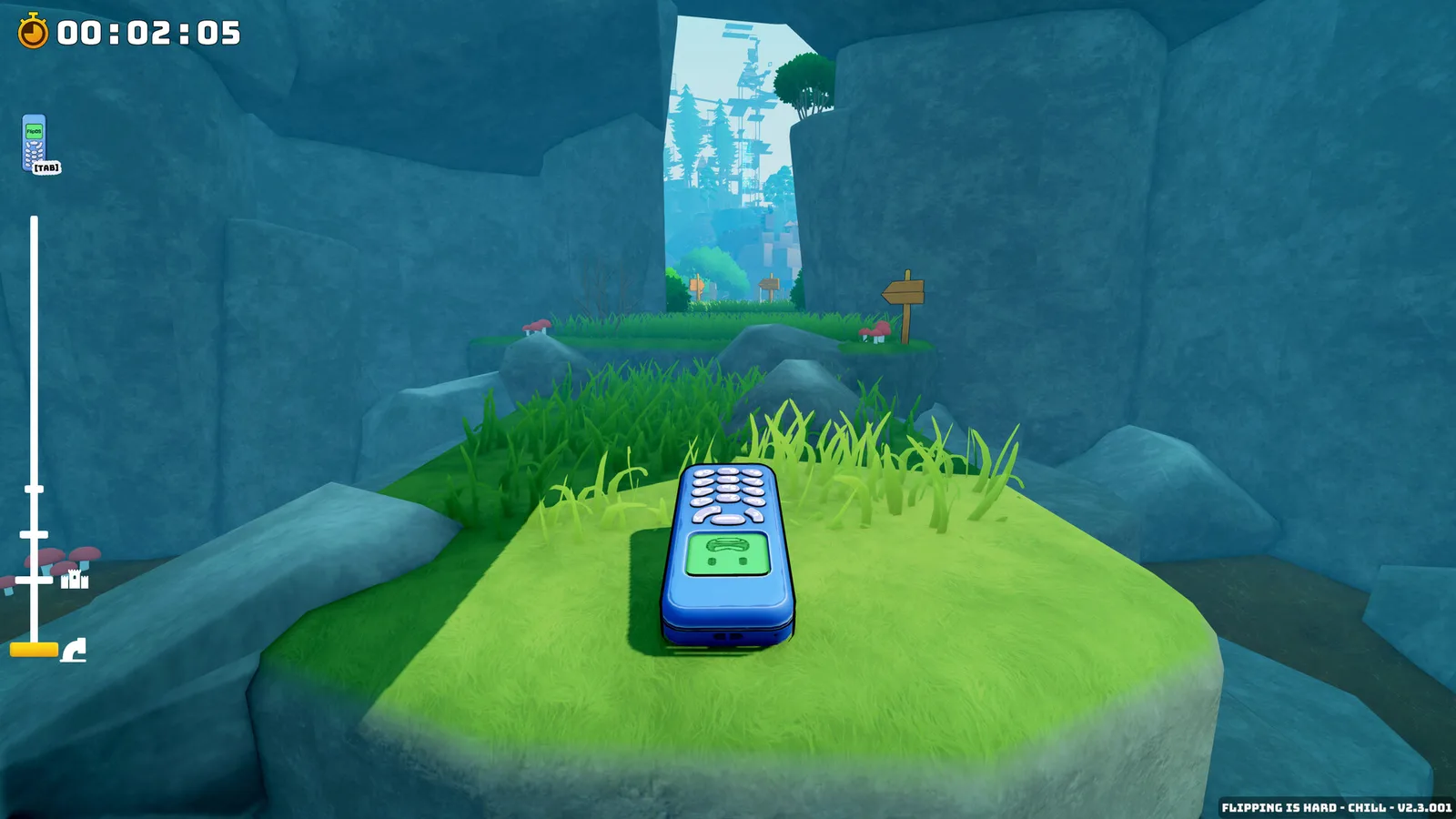
Introduction to the Brutal World of Flipping is Hard Solo Any% Hard
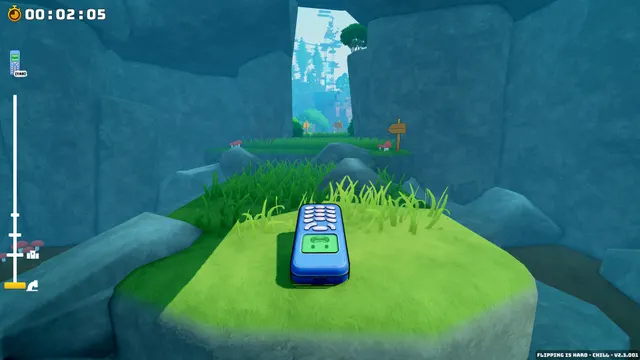
When diving into the speedrunning leaderboards for Elegant Horse Studios' physics platformer, the Flipping is Hard solo any% hard category stands out as the ultimate test of precision and patience. Players control Flippy, an indestructible 2000s brick phone, using nothing more than torque-based rotations and vibration jumps to navigate a vertical world. Tackling the Flipping is Hard solo any% hard run requires absolute mastery over momentum, quick restarts, and hazard-filled vertical levels without the safety net of checkpoints.
Whether you are looking to shave seconds off your time or simply want to understand how top runners clear the game's brutal climb, analyzing the mechanics, routes, and community milestones is essential. Let's break down everything you need to know about setting a competitive time on the speedrun leaderboards.
Understanding Core Movement Mechanics
Speedrunning a rage platformer relies on clean inputs and a deep understanding of physics. Flippy does not have legs, meaning every inch of progress is earned through precise camera aiming, rotation, and jump types.
| Input / Control | Action | Speedrun Application |
|---|---|---|
| W, A, S, D | Rotate Flippy relative to the camera | Fine-tuning tilt mid-air for precise landings |
| Space | High jump (no direction held) | Gaining maximum vertical height for high ledges |
| Dir + Space | Long jump (holding a direction) | Clearing horizontal gaps and maintaining forward momentum |
| Tab | Phone OS access | Quick navigation for stats, splits, and settings |
Mastering the transition between high jumps and long jumps defines a successful run. According to top community runners, a good run looks like a phone executing parkour, while a bad run resembles a phone tumbling uncontrollably down a flight of stairs.
The Ten Biomes of the Trashlands
The climb takes players through ten distinct, stacked areas built from forgotten 90s and 2000s objects. Each biome introduces unique geometry and hazards that can instantly reset a runner's progress back to the bottom of the section.
| Area Order | Biome Name | Key Environmental Hazard |
|---|---|---|
| 1 | Storm Drains | Wet surfaces and narrow pipes |
| 2 | Cardboard Army Camp | Unstable stacking and sharp edges |
| 3 | Wooden Playground | Bouncy structures and moving parts |
| 4 | Candyland | Sticky surfaces and slippery slopes |
| 5 | Giant Toy Chest | Cluttered obstacles and tight clearances |
| 6 | Neon Grid | Fast-paced digital platforms |
| 7 | Freezing Fridge | Frosty physics and sliding dangers |
| 8 | Blanket Fort Kingdom | Soft, unpredictable cloth physics |
| 9 | Recycling Core | Heavy machinery and moving hazards |
| 10 | The Final Secret Area | Maximum vertical exposure and high stakes |
Leaderboard Statistics and Current Records
The competitive scene for the game on Speedrun.com has grown rapidly since launch. The category features multiple leaderboards tracking different player counts and game modes.
| Category & Mode | Top Player | Time / Record | Platform |
|---|---|---|---|
| Solo Any% Hard | Keronari | 42 m 25 s 595 ms | PC |
| Solo Any% Hard (2nd) | ALittleTooSaucy | 45 m 30 s 808 ms | PC |
| Solo 100% Hard | Keronari | 1 h 45 m 39 s 070 ms | PC |
Community statistics show over 800 submitted runs across various categories, highlighting the intense dedication of the player base. Runners utilize built-in splits and quick restarts to practice specific sub-sections of the climb.
Essential Tips for Reducing Your Time
Cutting down your time in this category requires more than just raw mechanical skill. Top runners emphasize the following strategies:
- Momentum Conservation: Avoid over-rotating. Keeping Flippy aligned with your trajectory prevents wasted frames and maintains forward velocity.
- Risk vs. Reward Routing: While risky long jumps can save seconds, a single missed input can result in a catastrophic fall that costs several minutes of progress.
- Utilize Practice Tools: Members of the community have developed practice trainers to let runners load specific biomes and master tricky jumps without replaying the entire climb.
- Stay Calm Under Pressure: The psychological aspect of rage games is real. Maintaining composure after a major fall prevents cascading errors.
Frequently Asked Questions
What is the Flipping is Hard solo any% hard category?
It is a speedrun category where a single player completes the game on the intended Hard difficulty (without checkpoints) as fast as possible, reaching the top of the Trashlands from the very bottom.
How long does a typical speedrun take?
While an average casual playthrough takes around 7 hours, competitive speedrunners can complete the solo hard category in roughly 42 to 45 minutes.
Are there alternative modes for practicing?
Yes. The game features an optional "Flipping Is Chill" mode with checkpoints enabled, which allows players to learn the map layouts and obstacles safely before attempting the unforgiving Hard mode.
Where can I submit my speedrun times?
You can view active leaderboards, submit your runs, and check community rules directly on the official Flipping Is Hard Speedrun Page.
Related Guides
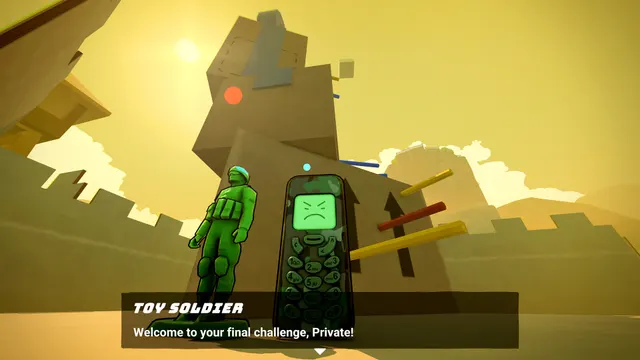
Flipping is Hard demo speedrun: Records, Routes, and Community Meta
Explore the latest records, routes, and community strategies for the Flipping is Hard demo speedrun. Dive into leaderboards and version guides.

Flipping is Hard Speedrun: Complete Guide to Routes, Skips, and Leaderboards
Master the ultimate Flipping is Hard speedrun with expert routing, advanced skip techniques, and leaderboard strategies for PC.
More guides on Flipping is Hard
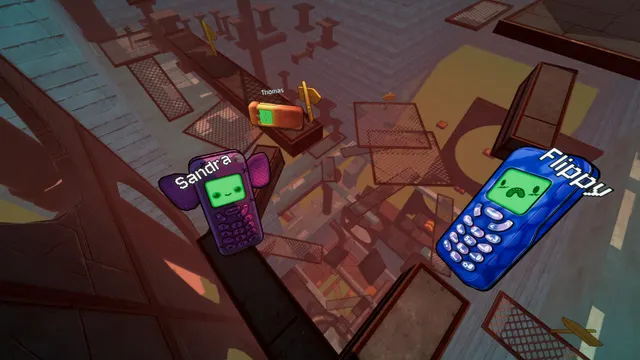
platforms
Flipping is Hard Android: Exploring Platformer Release Status and Gameplay
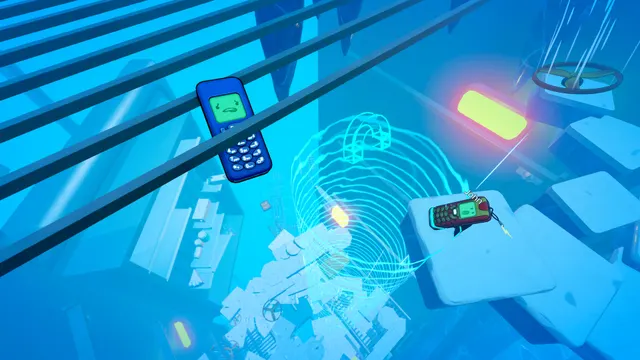
platforms
Flipping is Hard Download Guide: Get the Game, Demos, and Speedrun Autosplitters
narrator
Meet the Voice Behind Flipping is Hard Narrator: Behind the Scenes and Community Trolls
media